
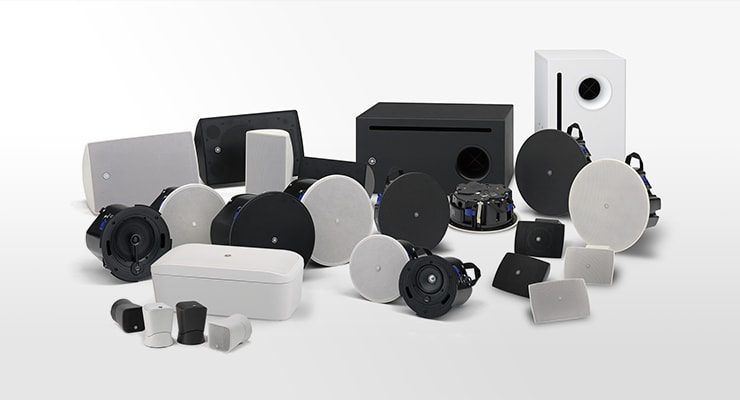
Choosing where speakers sit often matters as much as choosing the speakers themselves. Placement affects how sound travels, how people feel, and how the space functions day to day. Ceiling, wall, and pendant speakers each solve different problems. The right choice depends less on style and more on how the space is used.
Sound placement shapes experience quietly. When done well, no one notices the system. When done poorly, everyone feels it.
Ceiling Speakers Suit Clean, Open Layouts
Ceiling-mounted speakers work well when visual simplicity matters. They blend into the space and keep walls clear. Offices, clinics, and retail floors often prefer this approach because it feels discreet.
Sound from above spreads evenly when ceilings are not too high. Customers and staff move freely without sudden volume changes. This consistency supports comfort over long periods.
Ceiling speakers struggle when ceilings rise too high or when spaces include many hard surfaces. Sound can feel distant or lose clarity. In these cases, careful spacing and tuning become essential.
Many businesses choose commercial audio speakers for ceiling installs because predictable dispersion helps maintain even coverage without pushing volume.
Wall Speakers Offer Direction and Clarity
Wall-mounted speakers give designers more control over sound direction. They work well in spaces where speech clarity matters or where sound needs to reach specific zones.
Restaurants, gyms, and function rooms often benefit from this placement. Sound aims toward listeners instead of falling from above. This improves intelligibility and reduces wasted output.
Wall placement also supports lower ceilings or irregular layouts. Speakers can avoid obstructions and focus sound where people gather most.
The trade-off is visibility. Wall speakers become part of the visual environment. Choosing designs that complement interiors helps avoid distraction.
Commercial audio speakers are often selected here because they balance clarity with controlled spread, reducing echo and overlap.
Pendant Speakers Solve Height Problems
Pendant speakers hang down into the listening area. They suit spaces with high or open ceilings where ceiling speakers would sit too far away.
Cafés, warehouses, and modern retail spaces often use this approach. Sound travels a shorter distance, which improves clarity without increasing volume.
Pendant designs also add character. They feel intentional rather than hidden. In some spaces, they reinforce brand identity instead of fading away.
However, pendants require careful planning. Poor placement creates uneven coverage. Clustering too many creates visual clutter. Spacing and height must align with how people move.
This is where commercial audio speakers designed for pendant use provide value, offering controlled output and clean aesthetics.
How Usage Defines the Right Choice
The best placement depends on how sound is used.
Consider these factors before deciding:
· Purpose of sound: background ambience, announcements, or featured audio
· Ceiling height: low, medium, or open structure
· Movement patterns: seated, walking, or mixed
· Visual priorities: hidden systems or visible design elements
· Noise level: calm environments versus energetic spaces
Matching placement to use reduces the need for constant adjustment.
Installation Decisions Affect Long-Term Performance
Placement mistakes are hard to fix later. Moving speakers means patching ceilings, rerouting cables, and retuning systems. Planning early saves time and cost.
Installers look beyond today’s layout. Furniture changes. Displays move. Crowd sizes shift. Speaker placement should anticipate change rather than lock the space into one moment.
Sound systems perform best when placement aligns with flexibility.
Sound Should Feel Natural, Not Noticeable
The right speaker placement fades into the background. People hear clearly without thinking about where sound comes from. Comfort stays high. Fatigue stays low.
Ceiling, wall, and pendant speakers all succeed when matched to the space, not chosen by habit.
Commercial audio speakers appear across all three options because they support predictable behaviour and long operating hours.
If your business space sounds uneven or tiring, placement may be the real issue. Rethinking where speakers live could be the simplest way to improve how the space feels every day.
Post a Comment